
Discover handpicked regenerative travel
hotels and retreatsDiscover handpicked regenerative travelhotels and retreats — where luxury meets purposeand every stay leaves the world better than you found it
Places That Protect
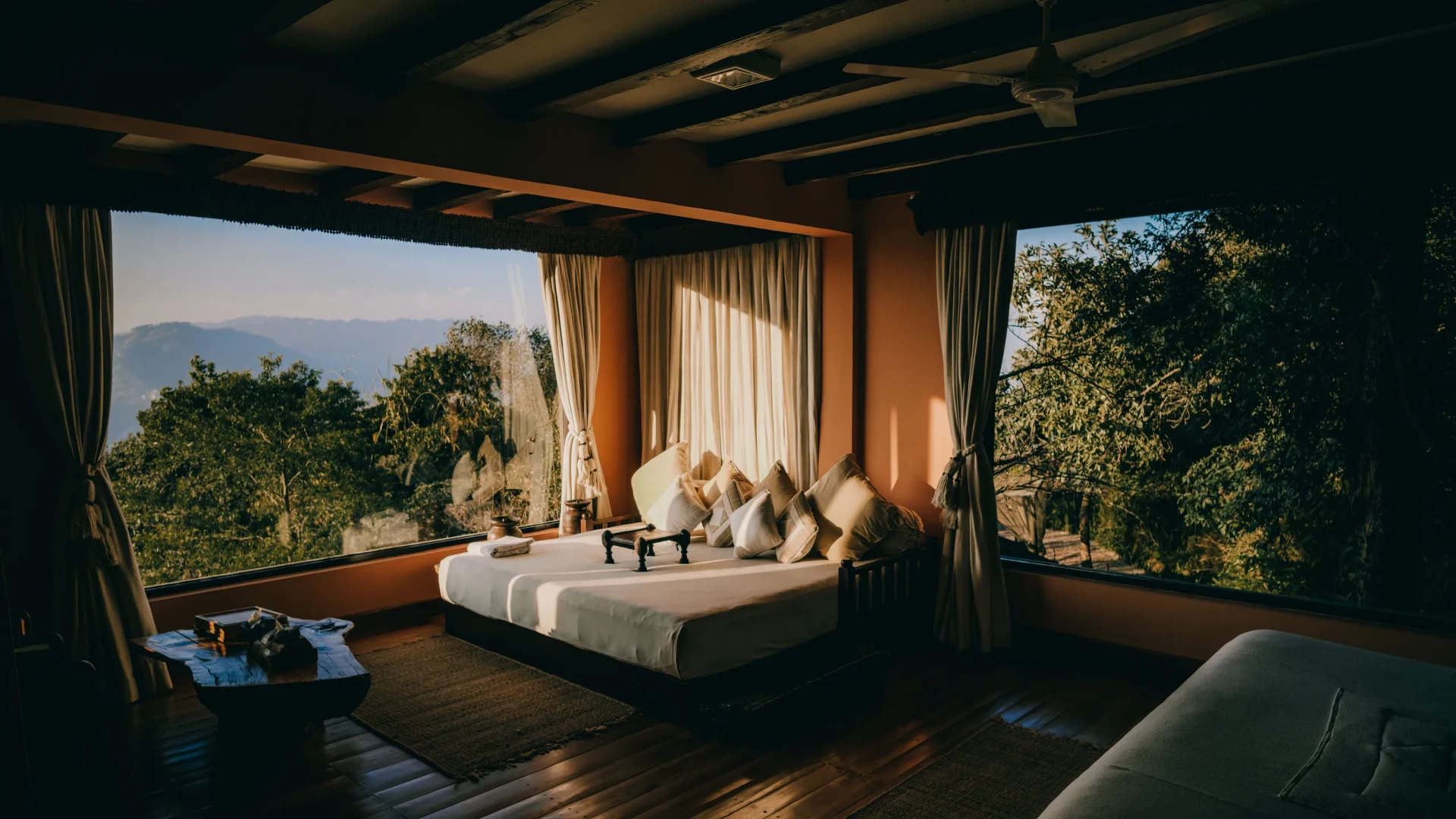
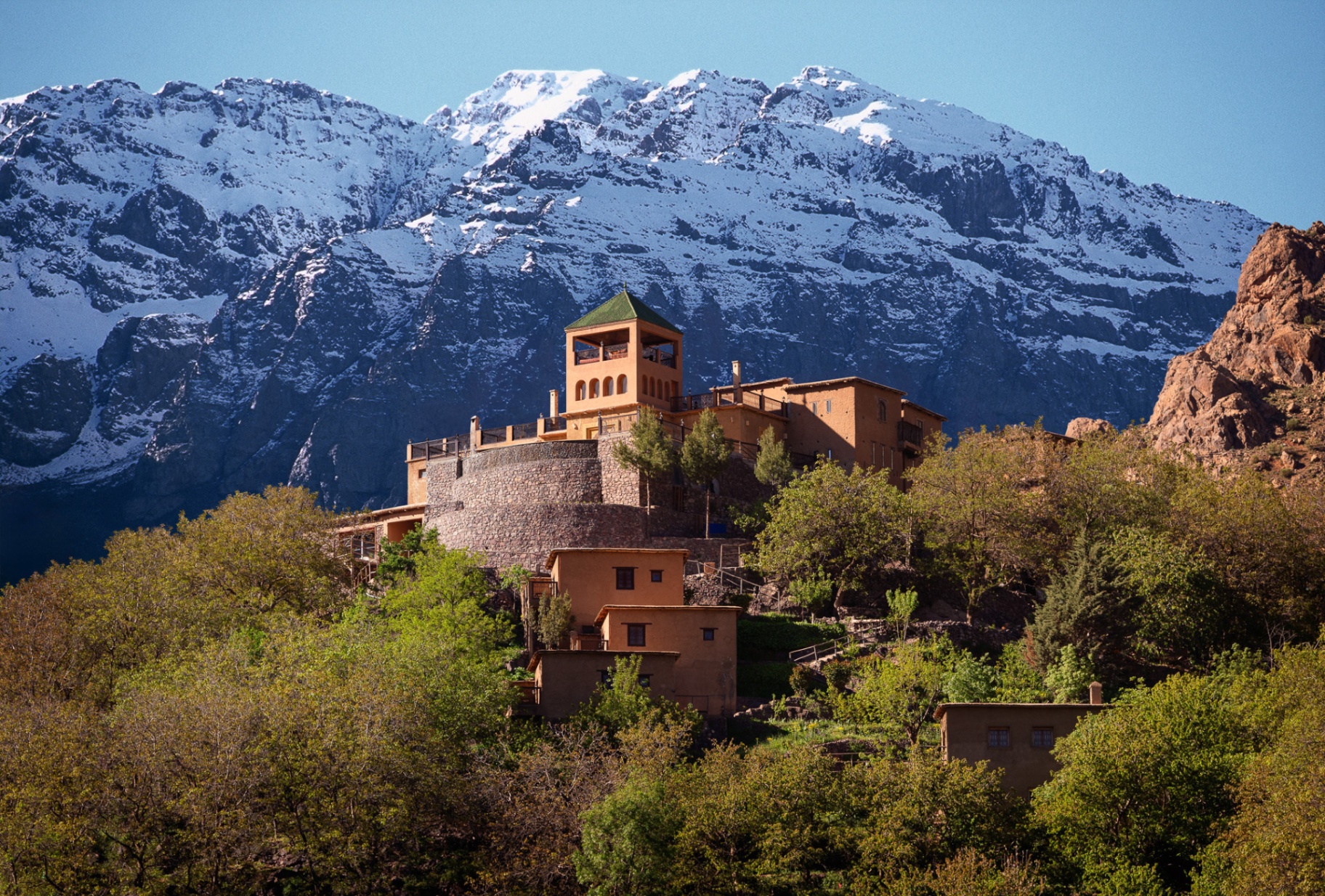
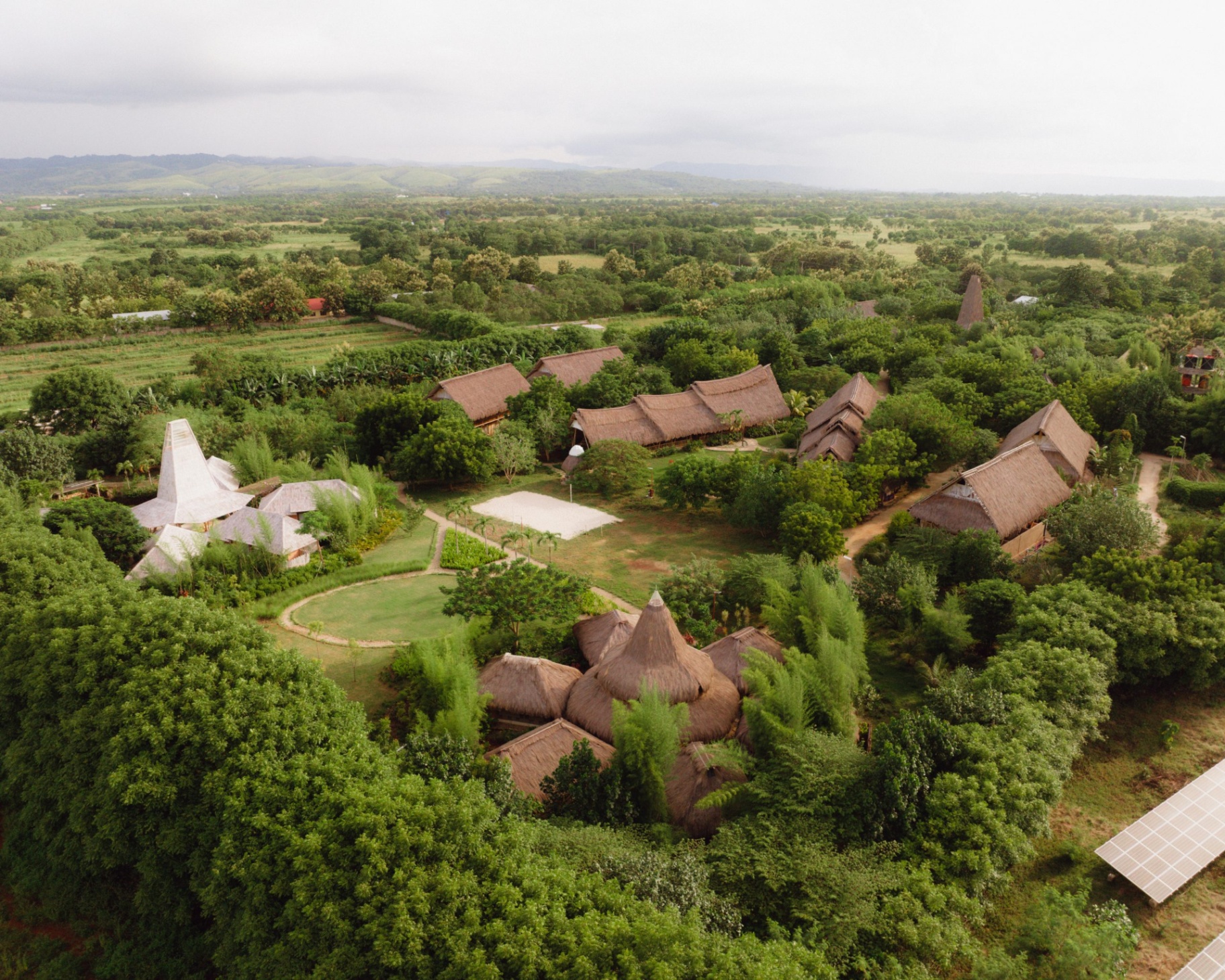
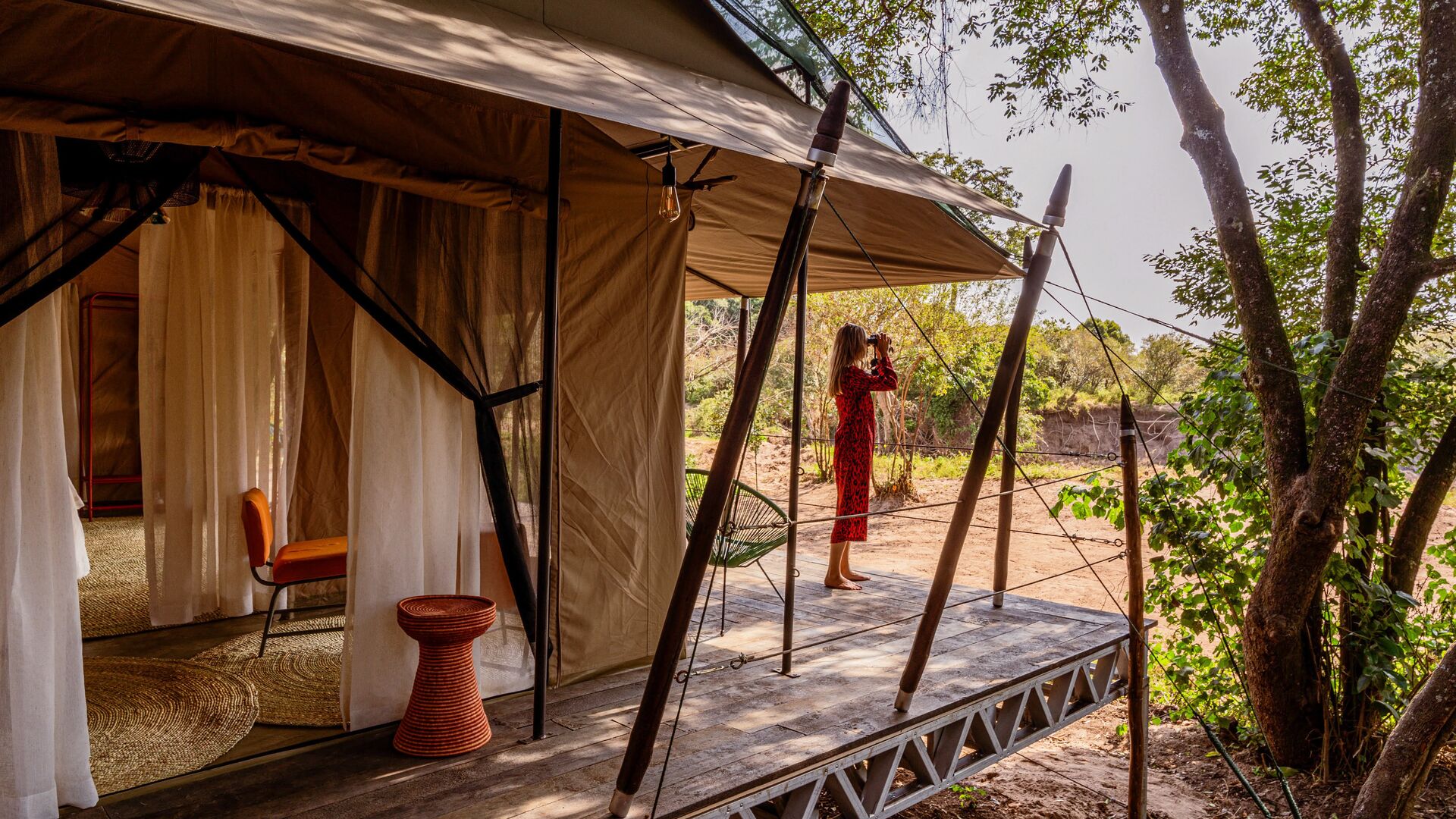
Handpicked properties that protect wildlife, empower communities, and pioneer sustainable luxury.
Virtual · October 14–15, 2026
Gathering Grounds
Two days of conversation, connection and shared learning — twelve panels of hoteliers, designers and change-makers shaping the future of regenerative hospitality.
Purchase TicketField Notes
More from the magazine
Wellness
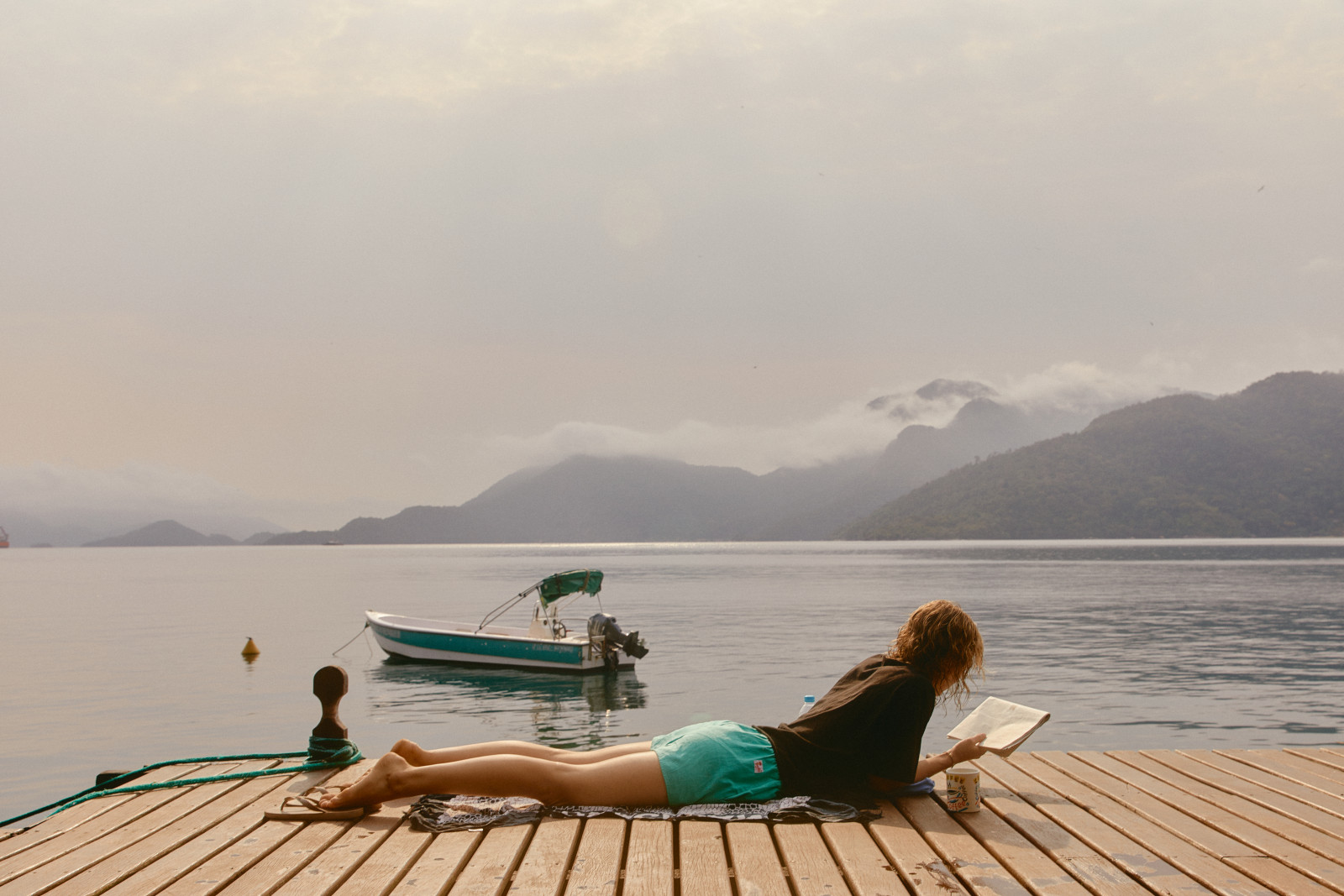
The Wellness Science of Slow Travel — How Land, Culture, and Stillness Restore Us
Attention restoration theory, polyvagal science, and Blue Zone belonging — how a growing set of regenerative destinations offer three physiologically distinct pathways back to a rested nervous system.
Read Story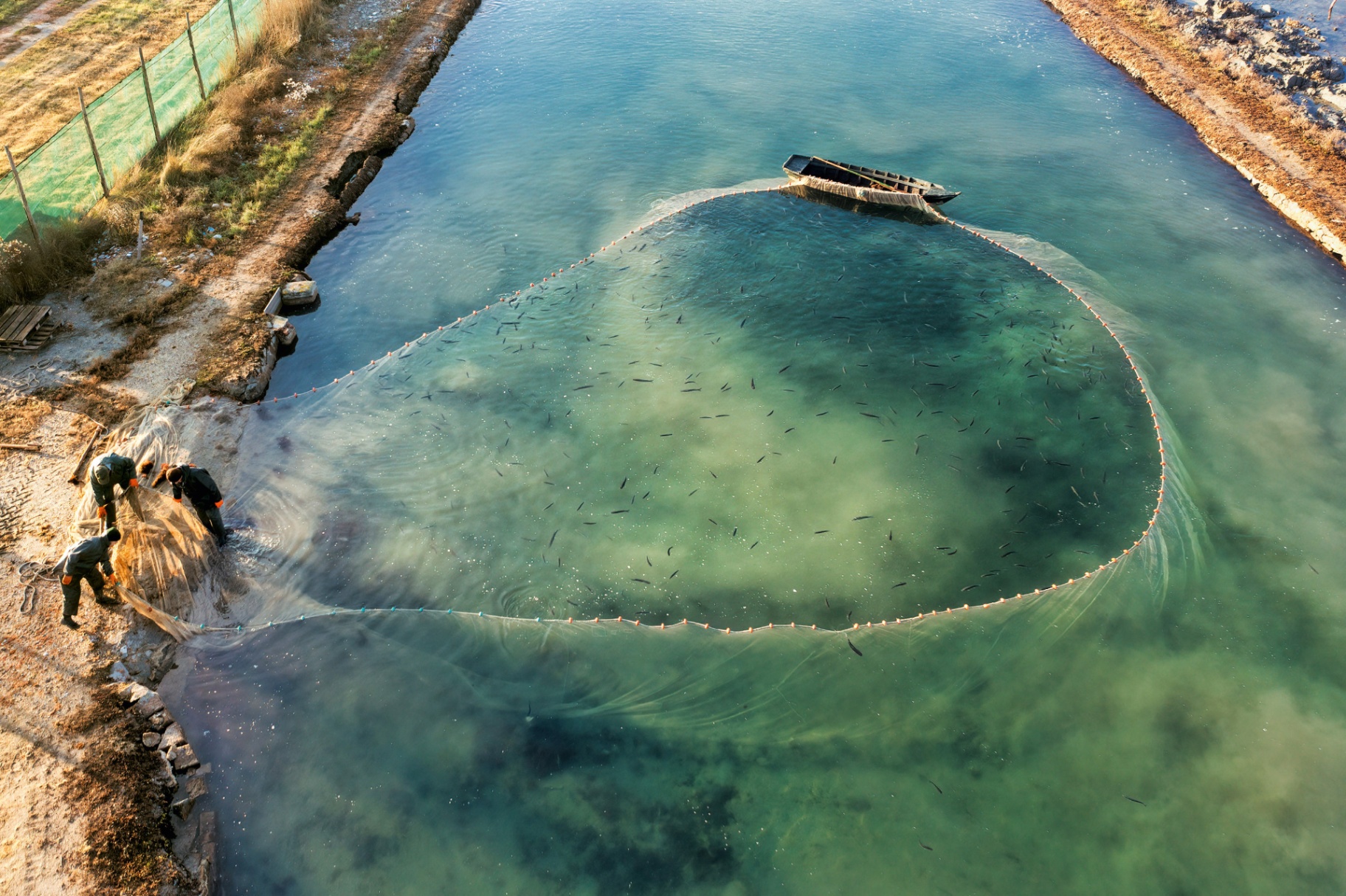
Impact
Julia Watson on Indigenous Technologies, Climate Futures, and Why the Next 25 Years Matter
From Bangladesh's floating farms to Micronesia's tidal fish traps, designer Julia Watson makes the case that ancestral water technologies are our most urgent resource for climate-resilient cities.
Read Story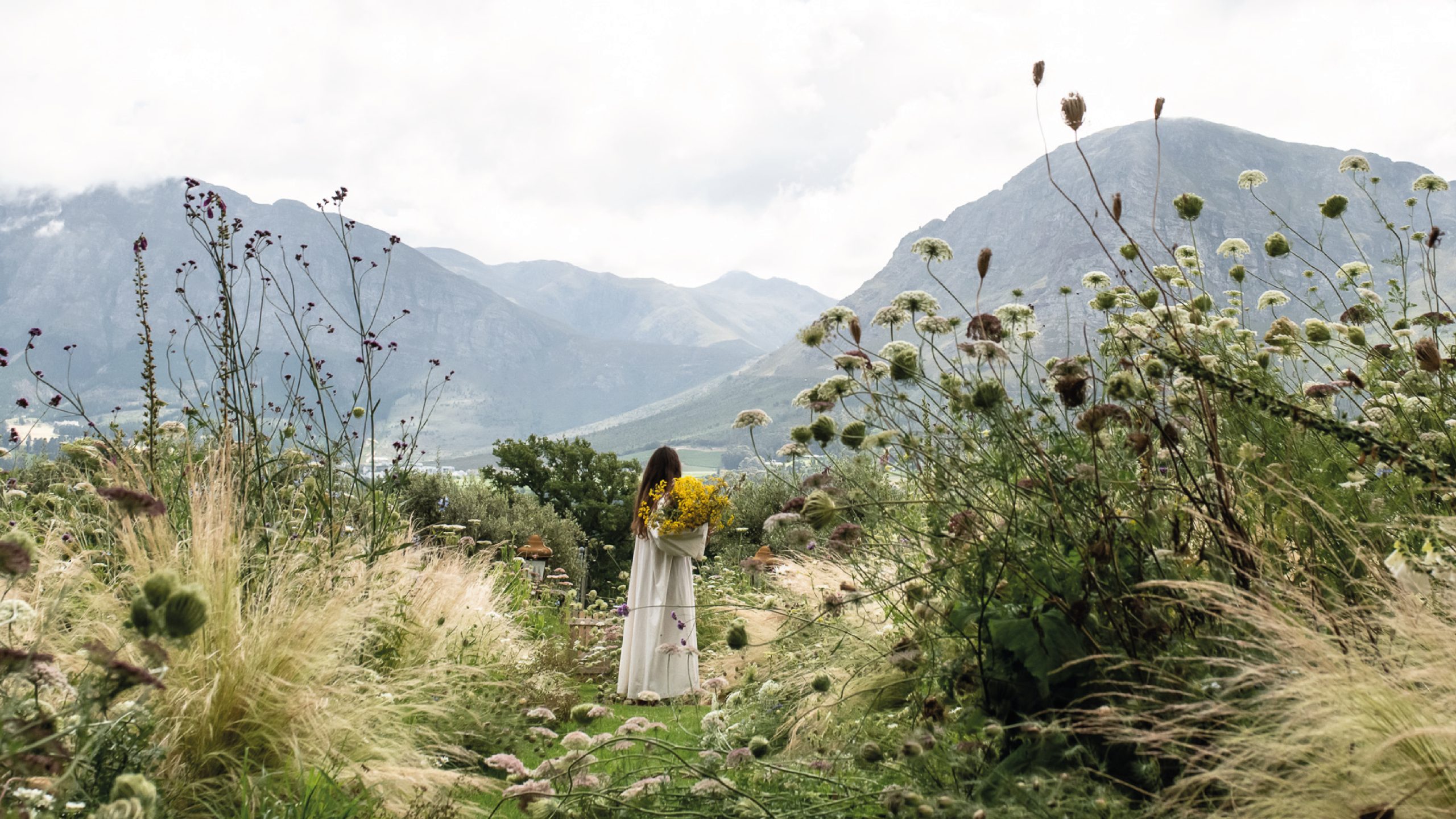
Impact
Regenerative Agriculture Tourism: The Ground Beneath the Table
From an Alentejo cork-oak estate to a Sumba permaculture plot, member farms are turning the working farm stay into a blueprint for regenerative agriculture tourism.
Read Story
Featured · Impact
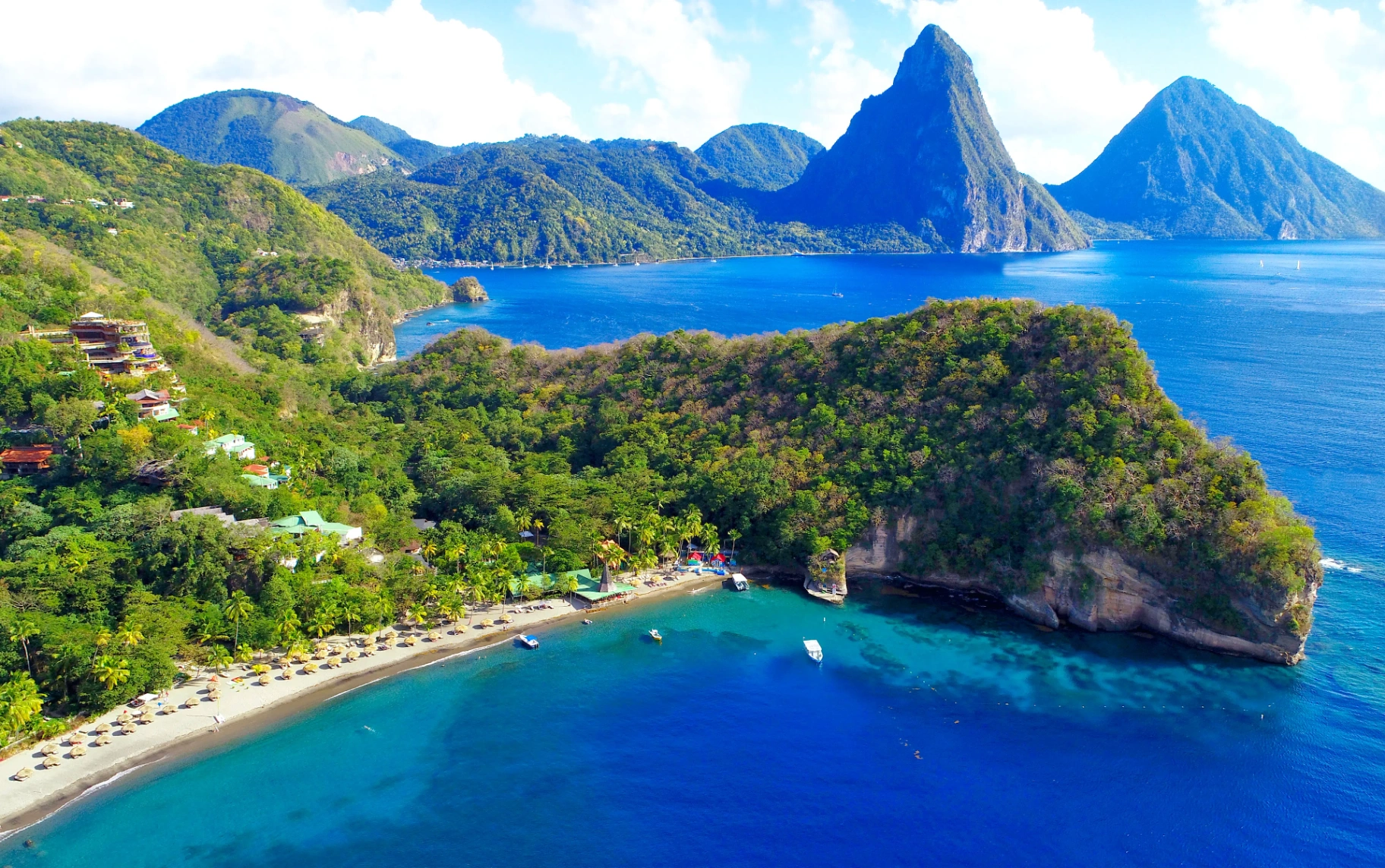
The Architecture of a Living Coast
From Saint Lucia to Alaska, coastal and island members are treating reefs as infrastructure and guests as participants — a new model of hospitality built around ocean recovery.
Read the storyDesigned by Experts
Trusted travel designers crafting bespoke regenerative journeys, vetted for their deep local expertise and conservation impact.


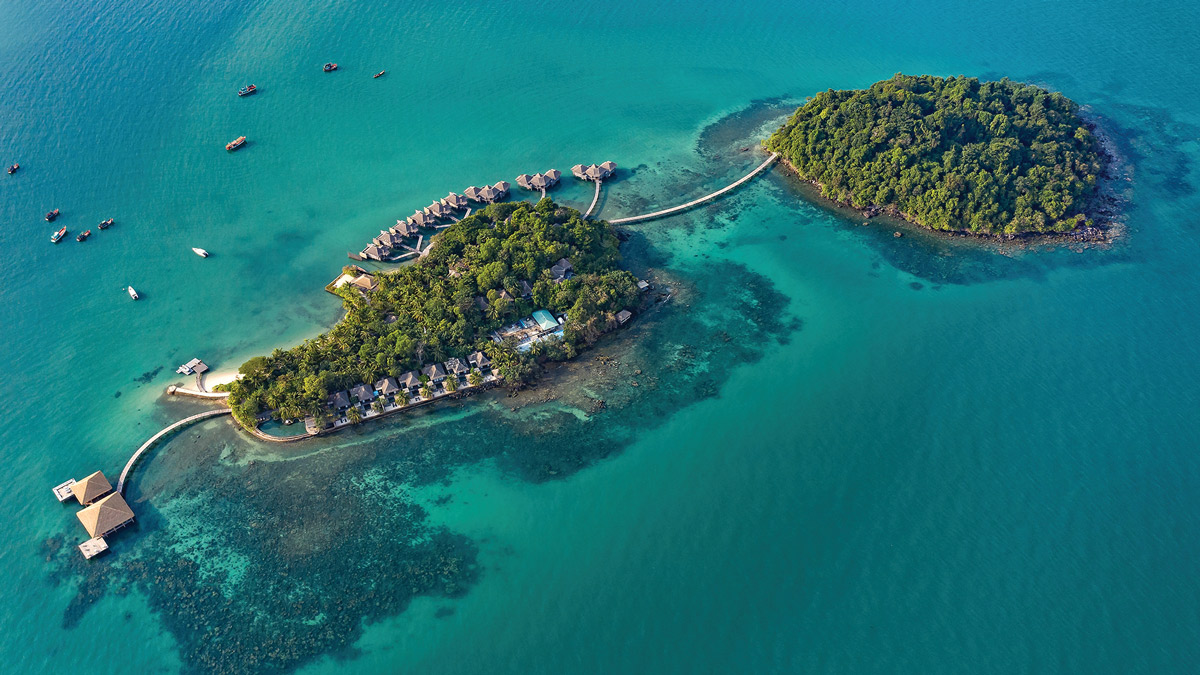
Living Systems Residency · Cohort Weekend
Living Systems Residency at Song Saa
7–9 November 2026 · A Regenerative Retreats production, co-curated and conceived by Amanda Ho and Melita Koulmandas
Learn MoreWhere Will You Go?
Each itinerary is designed with our network of regenerative properties — places that protect wildlife, empower communities, and pioneer sustainable luxury.


Featured · Design & Culture
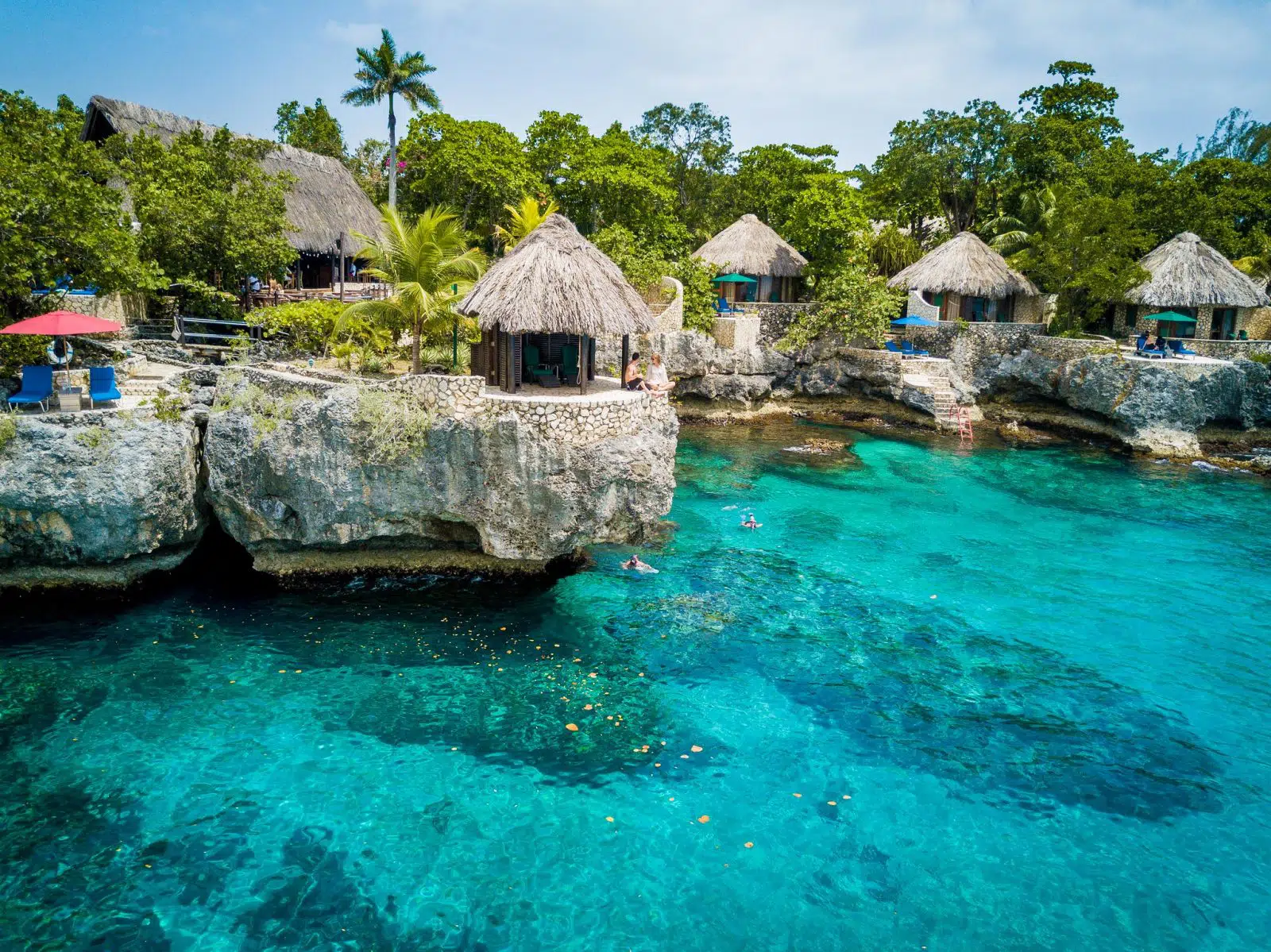
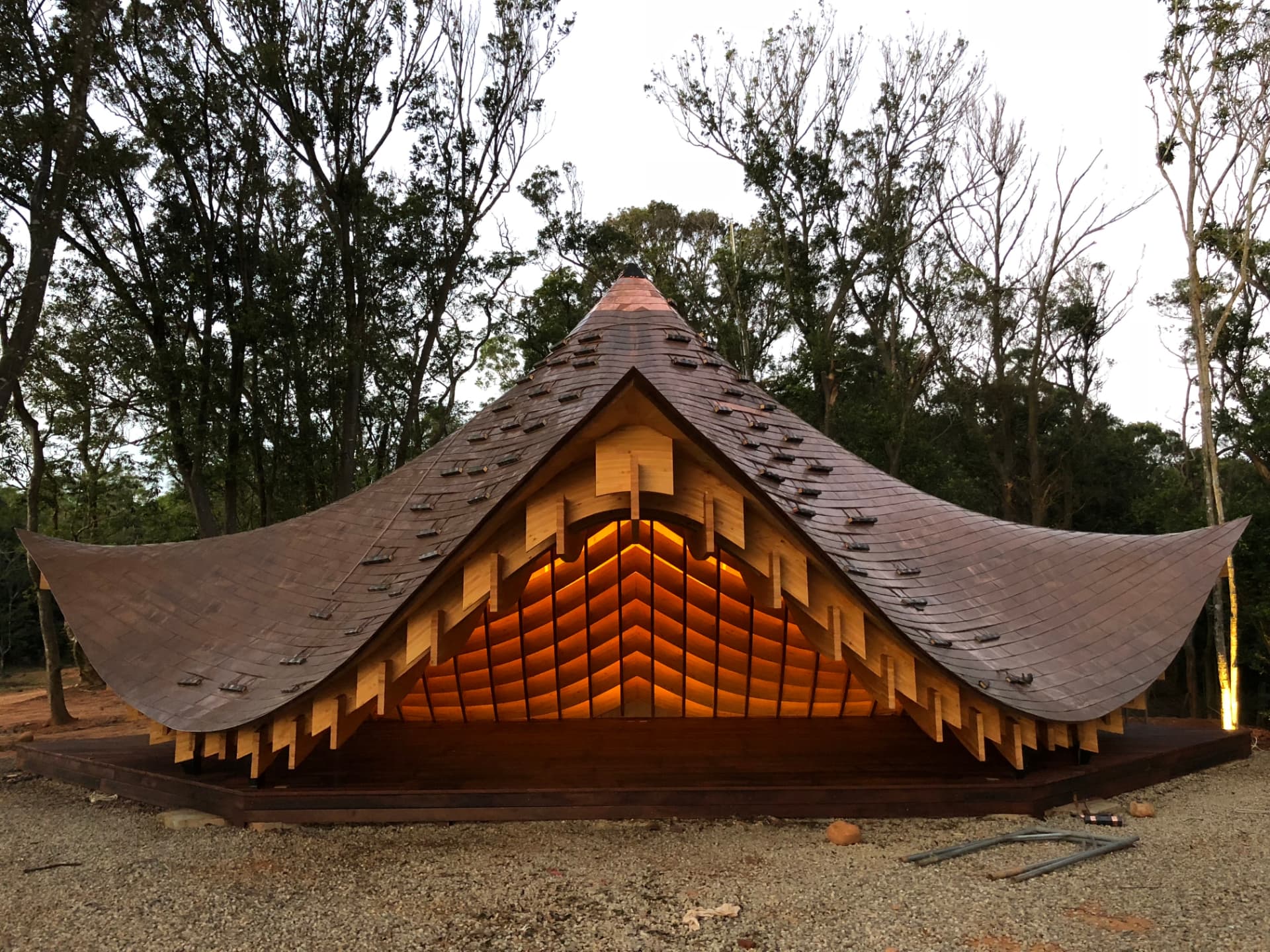
Nature Weave, on the Sand: Inside Jia CURATED 2026
Bali's largest design festival trades a convention floor for a stretch of open coastline, and asks a philosophy of balance to hold together 250 brands and a river running through the site.
Read the story
Regenerative Travel Principles for Hospitality
A turning point for our species — and a framework for hotels ready to repair, replenish and create the conditions for life to flourish.
Download the White PaperFree · Case studies, lexicon & principles for regenerative hospitality.

Not sure where to start?
Take our 60-second travel quiz and we'll match you with properties and designers built for the way you travel.
Start the quizTakes under a minute · No sign-up required