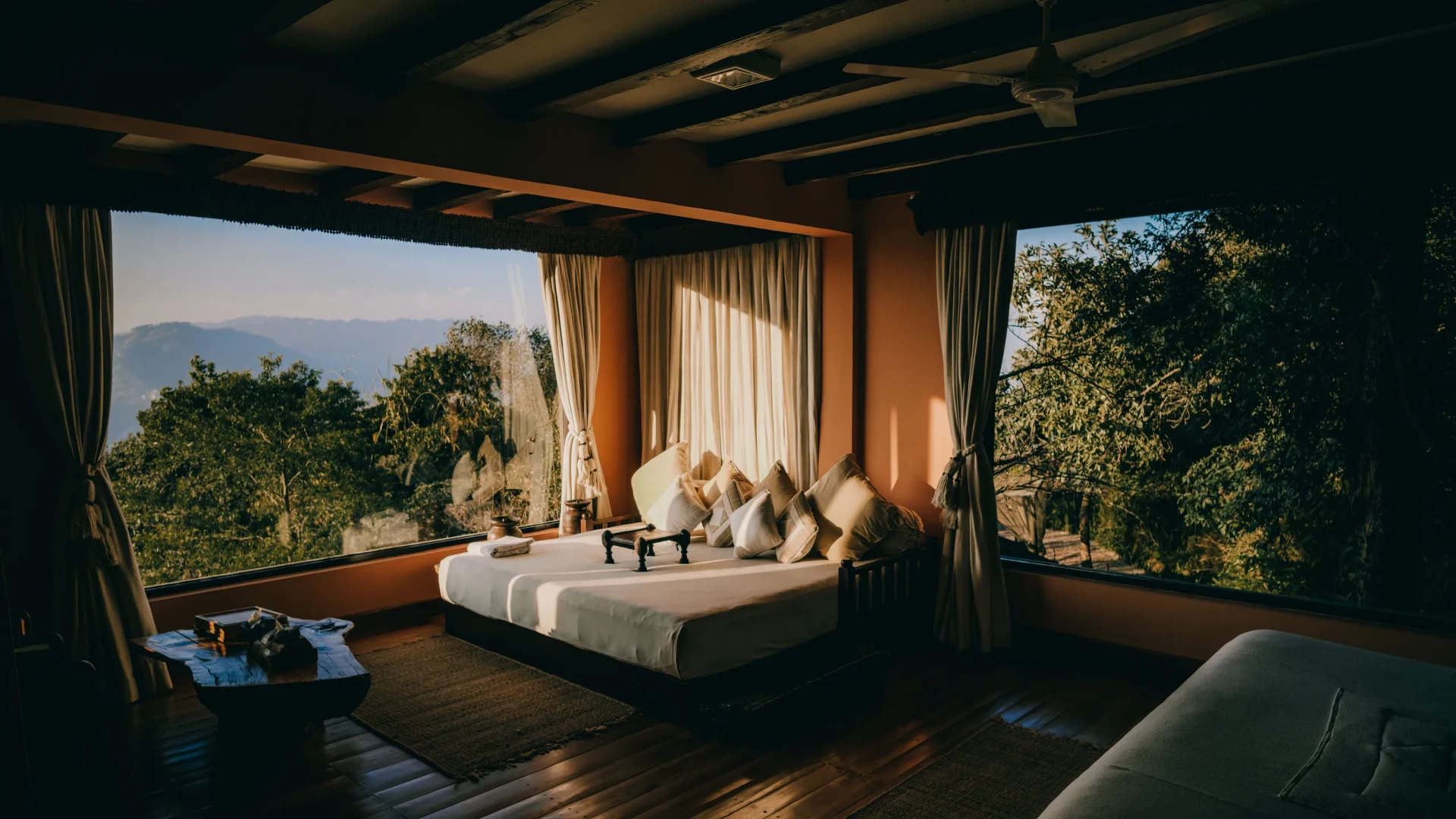
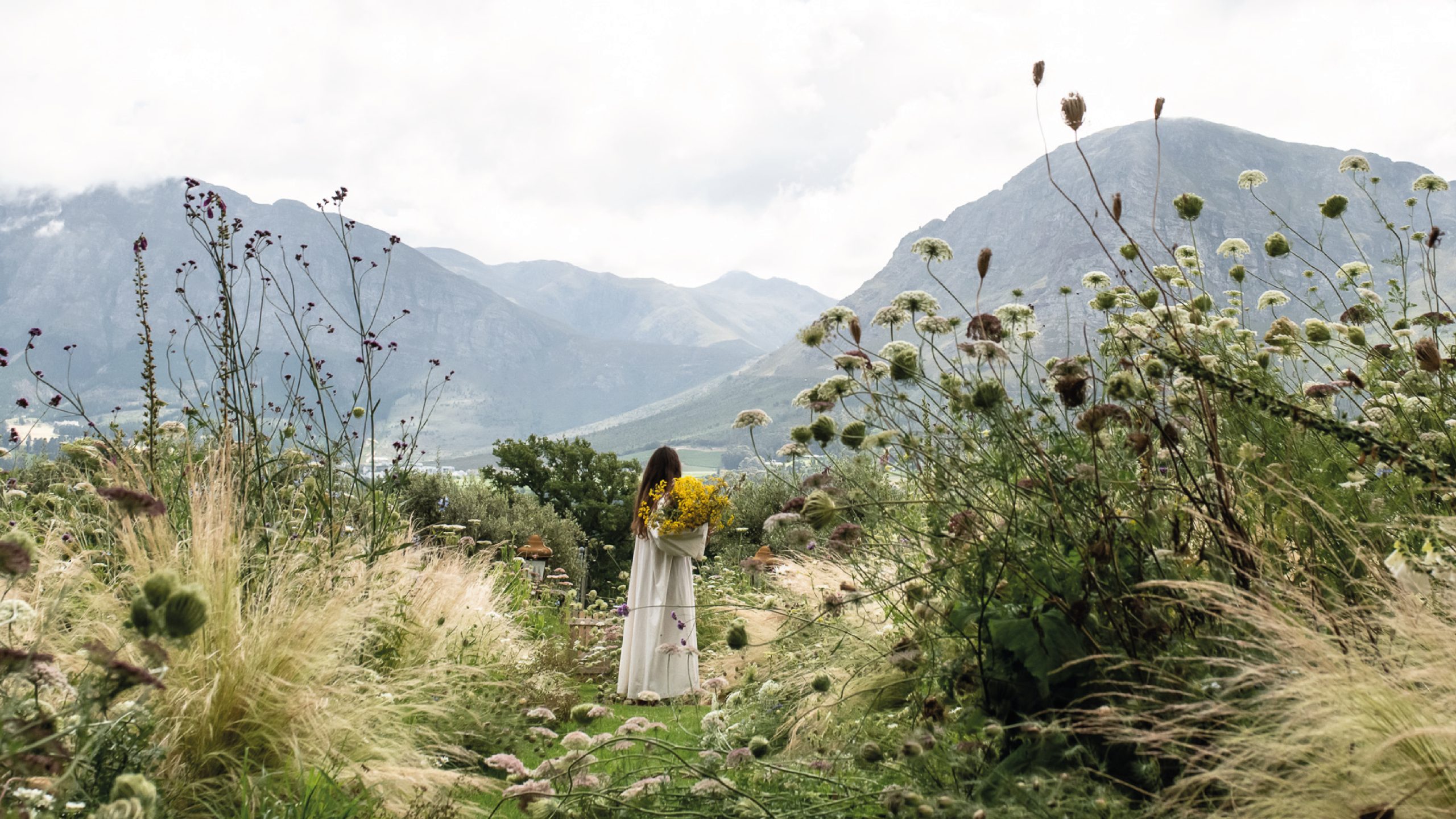
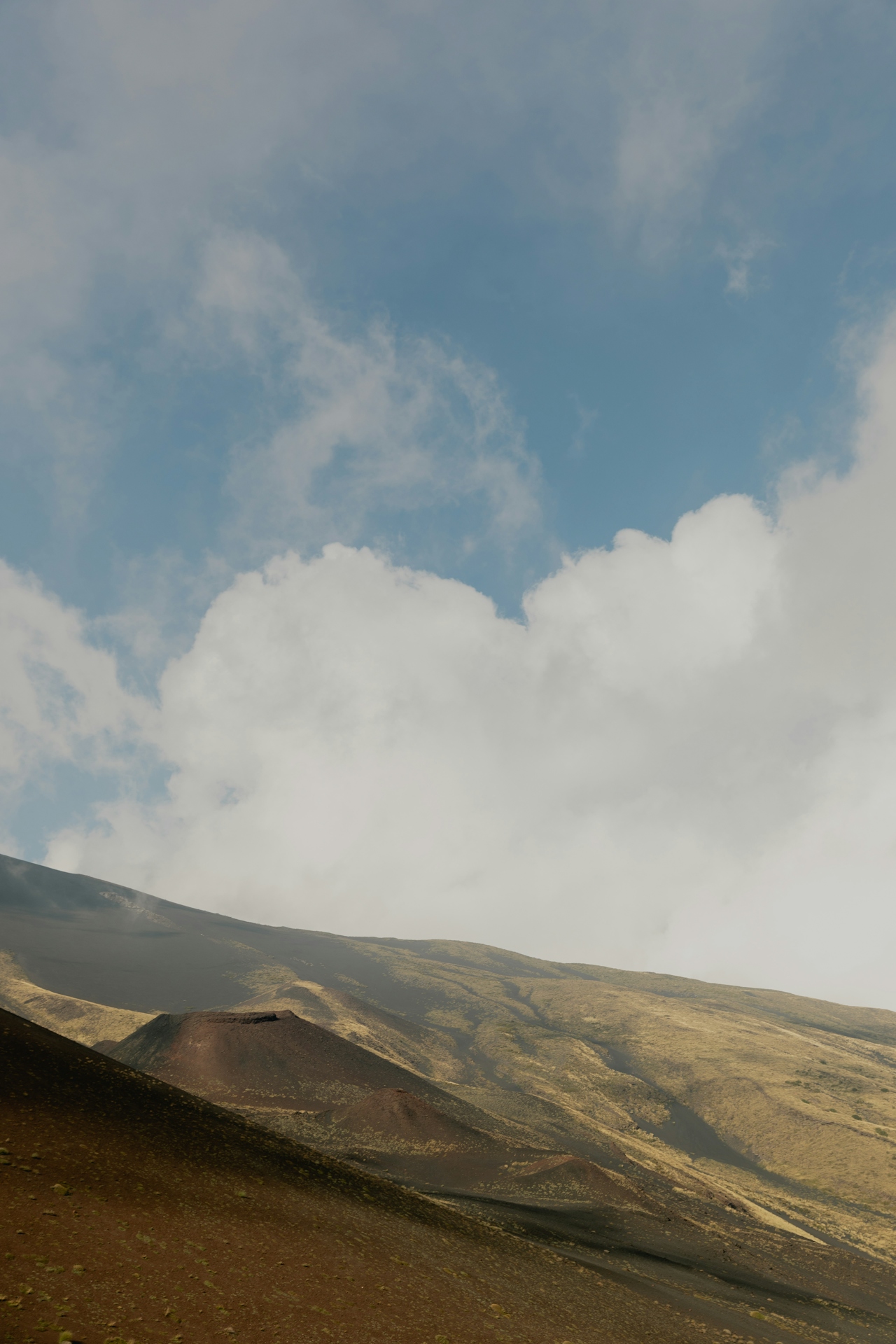
In Mustang, Nepal, Shinta Mani Mustang rests amid one of the most dramatic and mystical landscapes on earth. Bill Bensley describes the project as:
“This is perhaps one of the most exciting projects we have ever had. I have never seen such wildly dramatic landscapes as the mountains and valleys of Mustang, and am thrilled that Shinta Mani can be the first to introduce this mystical land to international adventurers … This will be their base camp for explorations all around these phenomenal mountains…”
Here, the mountains are more than scenery — they are teachers. Vast ridgelines, shadowed valleys, and snow-capped peaks demand patience, humility, and presence. Trekking becomes a form of meditation, a rhythmic dialogue between breath and terrain. Villagers steeped in Tibetan Buddhist traditions regard each mountain as a sentient being. Along sacred trails, travelers pause to circumambulate peaks, leave small stones, or light butter lamps at shrines, honoring both the land and the spirits believed to inhabit it. Prayer flags stretch across valleys, carrying blessings and intentions into the wind — a visible reminder that gratitude here is woven into daily life.
Meals at Shinta Mani Mustang unfold against endless mountain vistas, each moment accompanied by the silent instruction of the peaks: slow down, breathe deeply, observe. Regenerative initiatives led by the local community — from reforestation to water conservation — work to restore balance in a region where water is scarce and every drop is precious.
Across Alaska, Tutka Bay Lodge immerses guests in the raw power of coastal ecosystems, where glaciers spill into fjords and spruce forests ripple with wind. Salmon surge upriver as lifeblood to both humans and wildlife, while tide pools teem with organisms essential to the ecological web. Snow, ice, and seasonal shifts govern the rhythm of life.
Local knowledge, carried through generations of the Tlingit people, teaches that rivers, forests, and animals are living relatives. Silent observation at spawning sites, stones placed gently along riverbanks, and canoe journeys through reflective waters are acts of respect rather than ritualized tourism. Wind patterns, plant behavior, and the memory of old-growth trees become lessons in timing and balance. When an eagle soars overhead, it is received not as spectacle, but as a moment of clarity and guidance — a reminder of the interconnectedness of sky, land, and water.

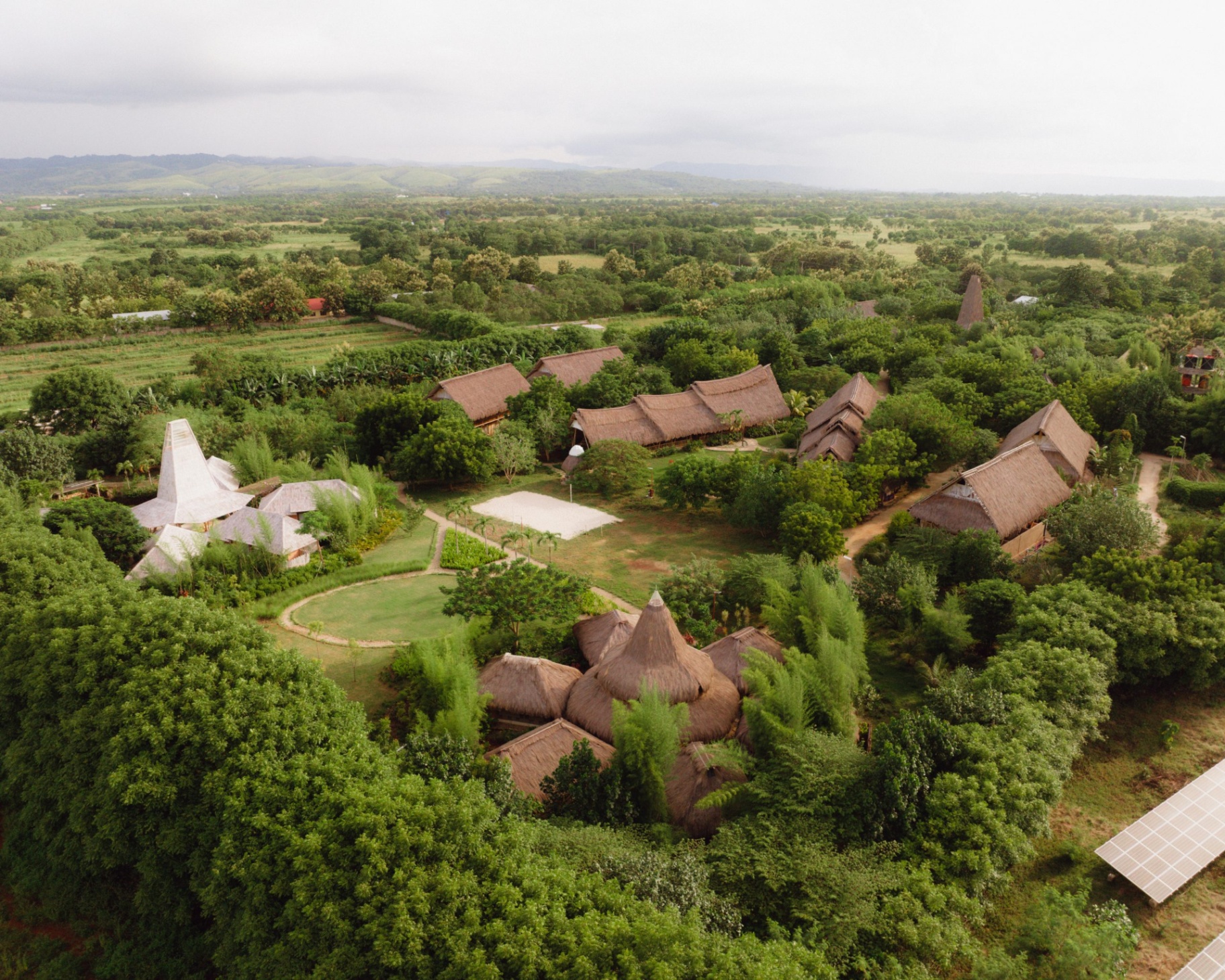
In Patagonia, steppe and forest stretch across vast, open panoramas alive with wildlife. Eko Patagonia sits within this powerful terrain, framed by mountains that rise like ancient sentinels. For the Mapuche people, these peaks are ancestors, and every ridge, valley, and river bend carries spiritual and practical meaning, guiding how communities live in harmony with the land.
Regenerative grazing preserves native grasses and wildflowers, while wildlife corridors remain undisturbed, allowing pumas, guanacos, and Andean condors to roam freely. Along riverbanks, native trees are replanted to stabilize soil, retain water, and restore habitats — practices rooted in ancestral knowledge passed down through generations. Ceremonies honor mountains, rivers, and sacred stones through offerings, storytelling, and song. Seasonal festivals mark cycles of planting, harvesting, and rainfall, blending cultural reverence with ecological stewardship. Architecture rises gently from the terrain, shaped by local materials and natural contours, complementing rather than competing with the landscape.
As Jonny Bierman, travel journalist and founder of Eco Escape Travel, reflects,
“Indigenous tourism is regenerative travel; it always has been.”
A reminder that true connection emerges through stewardship, reciprocity, and respect — not extraction.


At Few & Far Luvhondo in South Africa’s Soutpansberg Mountains, regeneration is a long-term commitment to protecting one of the country’s most biologically rich landscapes. The Cliff Suites are designed to sit lightly within the mountain, using locally sourced materials and low-impact construction that respects natural contours, vegetation, and water flows.
Set within a region of extraordinary biodiversity, the reserve forms part of a broader vision to see the entire 100,000-hectare Soutpansberg range safeguarded through conservation. Indigenous forests, rare plant life, and vital wildlife habitats are being steadily restored and protected.
High-touch guiding creates quiet “magic moments” including rare sightings at dawn, stillness on the mountain’s trails and unique discoveries thus offering guests a deeply personal connection to a landscape being given time to heal.


In the Peruvian Andes, El Albergue Ollantaytambo reflects this same philosophy of harmony. Built from local stone, adobe, and timber, its terraces follow the contours of the mountainside. Passive solar design and natural ventilation reduce energy use, while ancient water management techniques protect streams and irrigation channels. Medicinal plants and native trees stabilize soil and restore biodiversity. Stone walls, planting beds, and terraces carry ancestral stories of stewardship, honoring Pachamama — the earth mother — whose balance sustains life.
Together, these lodges demonstrate a design ethos that grows from the land rather than dominates it, where architecture, culture, and ecology coexist in quiet, enduring balance.
As Daniella Elster, founder of Auka, describes her approach, these journeys are “not a retreat from life — but a return to it.” They invite travelers to slow down, deepen presence, and rediscover what truly matters: the relationship between people, place, and purpose.


In India, villages pulse with rhythms that honor land and season alike. Discovery Journeys India reveals how agricultural rituals, temple ceremonies, and festivals encode centuries of ecological wisdom. Rangoli patterns drawn on the earth serve as symbolic prayers for prosperity and fertility, while offerings, planting rituals, and monsoon-timed irrigation reflect deep knowledge of soil, water, and climate.
In the high Himalayas of Ladakh, the Changpa nomads live as custodians of a fragile frontier—protecting pashmina goats, preserving alpine ecosystems, and sustaining an ancient nomadic culture along the Tibetan border through mindful migration and deep environmental stewardship.
Communal labor, seed-saving, composting, and seasonal celebrations reinforce bonds between people and place, creating landscapes that are productive, resilient, and spiritually resonant
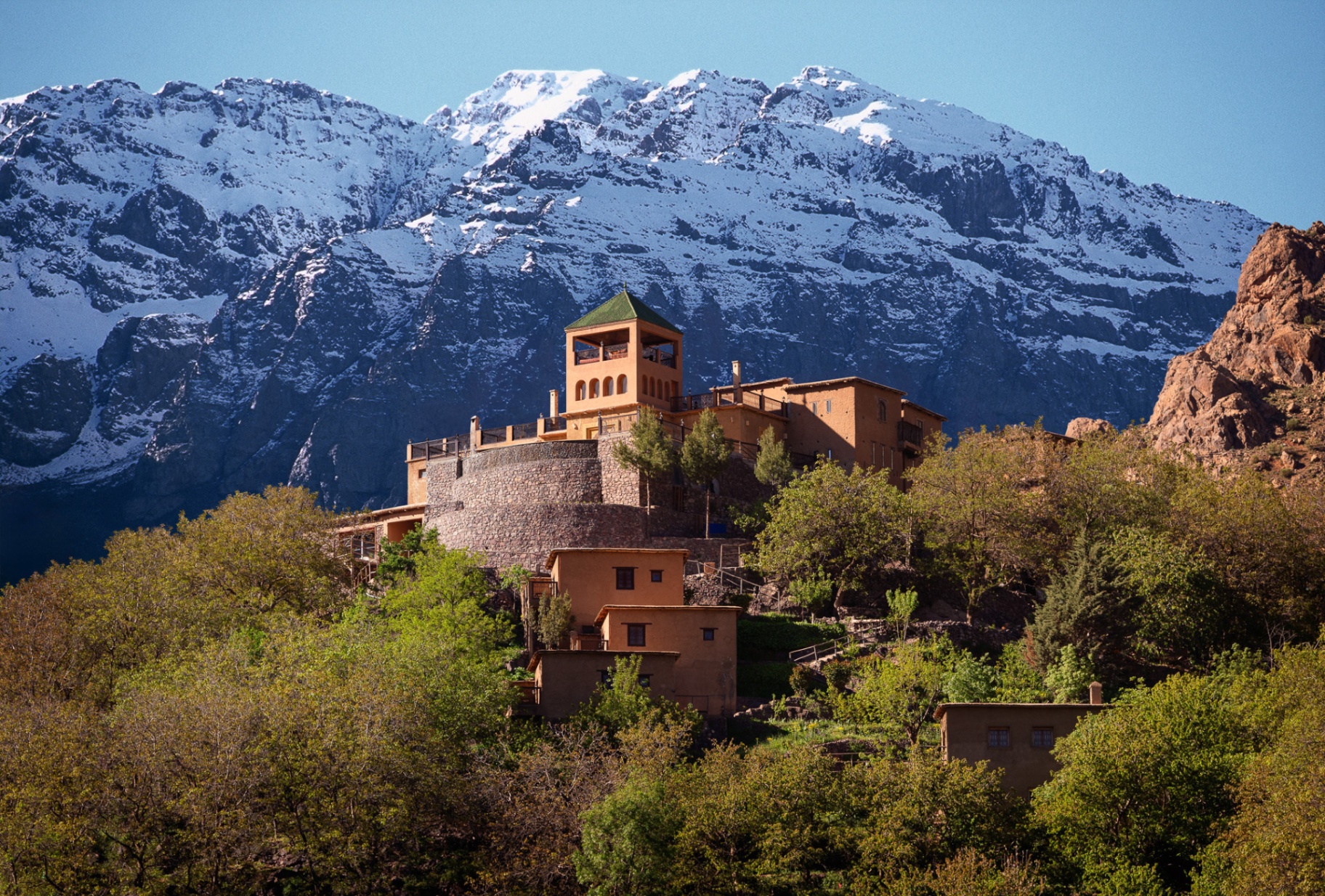
In Morocco’s Atlas Mountains, Kasbah du Toubkal stands as a testament to Berber ingenuity. Terraced gardens, ancient irrigation systems, and soil preservation methods reveal an intimate understanding of arid landscapes. Rugs woven by local artisans encode family histories, spiritual beliefs, and knowledge of the land, turning daily life into a living archive of survival and reverence.


Dolkhar understands the mountains as living guardians. Mani stones trace sacred paths, monasteries carry the murmur of prayers, and seasonal rituals honour snowmelt, sowing, and harvest. Old town heritage walks follow the footsteps of our ancestors, moving through historic lanes, prayer walls, and traditional homes to reveal how trade, belief, and community shaped Ladakh’s earliest settlements.
In winter, this relationship with the land deepens. Dolkhar offers a thoughtfully curated 7-night, 8-day journey, with a special focus on snow leopard tracking and winter wildlife spotting. Winter in Ladakh is a truly enriching, once-in-a-lifetime experience, a season of fewer crowds and more meaningful, responsible travel. Snow-covered valleys and silent ridgelines reveal Ladakh’s remarkable wildlife and adventure landscapes in their most authentic form, inviting patience, humility, and quiet observation.
At Tsas by Dolkhar, food is deeply rooted in seasonality and reverence for place, with a menu built around produce from Dolkhar’s own kitchen garden and responsibly sourced local ingredients, celebrating Ladakh’s landscape and traditions in every dish. The rhythms of mountain life inform more than cuisine – the cultural fabric of the region flows through immersive craft experiences, village connections, and mindful engagement with local heritage. In winter, this sense of presence extends into wildlife and nature explorations, with responsible winter wildlife spotting woven into the experience. Elders remind us that chants, offerings, and music move in rhythm with the land, and that ritual itself is a quiet act of balance.
In the high-altitude expanse of Ladakh’s Nubra Valley, Lchang Nang Retreat sits along the ancient Silk Route, where the Himalayan and Karakoram ranges converge in a landscape shaped by wind, water, and time. Snow-lined peaks rise above wide desert plains and braided rivers, their presence both commanding and deeply humbling. Built from local stone and earth, the retreat mirrors traditional Ladakhi architecture, allowing the mountains to remain the dominant voice – silent, enduring, and watchful over generations who have lived in their shadow.
Here, the mountains are not scenery but sacred companions. Guests move along age-old paths used by monks and farmers, learning how glacial meltwater sustains orchards and how careful stewardship preserves life in this fragile high-desert ecosystem. Retreat becomes an act of listening: to the land, to the rhythms of nature, and to oneself. In a place where peaks are revered as protectors and teachers, time slows, perspective widens, and presence is restored; offering space not to escape the mountains, but to meet them with respect, stillness, and care.


Across these mountain retreats, the lesson is consistent: the land teaches patience, humility, and reverence. These journeys reveal how communities around the world are adapting to a changing climate — and how regenerative travel can actively support restoration rather than depletion.
To explore these stories, strategies, and insights further, download our White Paper on Climate Adaptation, and discover how travel can contribute meaningfully to regeneration, adaptation, and the long-term restoration of our planet.
*By signing up for this newsletter I consent to receive the weekly newsletter from Regenerative Travel including travel guides and inspiration.